
Used Putters That Build Confidence on the Green
A missed three-footer can make a golfer blame the putter fast. Sometimes the club is not the real issue. But when a putter feels too light, sits poorly behind the ball, or simply does not match your stroke, confidence is hard to find. Quality used putters give golfers a practical way to test a better fit without paying premium-retail prices for a name on the headcover.
For new golfers, a preowned putter can be one of the smartest first purchases in the bag. For experienced players, it can be an affordable chance to try a different shape, balance, or length. The goal is not to buy the most expensive putter. The goal is to find one that helps you start the ball on line and stand over a short putt with peace of mind.
Why Used Putters Make Sense
Putting is personal. A driver can look impressive on the rack, but a putter has to feel right in your hands and look right at address. That is why buying preowned can be such a good value. A well-cared-for putter often performs just as it did when it was new, especially when the face, shaft, grip, and alignment features are in good condition.
Used equipment also gives golfers more room to make a wise decision. Instead of stretching the budget for a brand-new putter that may not suit your eye, you can explore proven styles at a more reasonable price. That can leave room in the budget for a fresh grip, a length adjustment, a lesson, or the green fees that help you improve.
There is also something good about giving dependable equipment another round of life. Golf already asks enough from a family budget. Choosing preowned gear is practical stewardship when the club has been honestly inspected and priced fairly.
A lower price does not mean settling for poor quality. It means knowing what matters. A putter does not need a shiny finish to help you make putts, but it does need to set up squarely, feel stable through impact, and fit your stroke well enough that you can repeat it.
How to Choose Used Putters That Fit Your Game
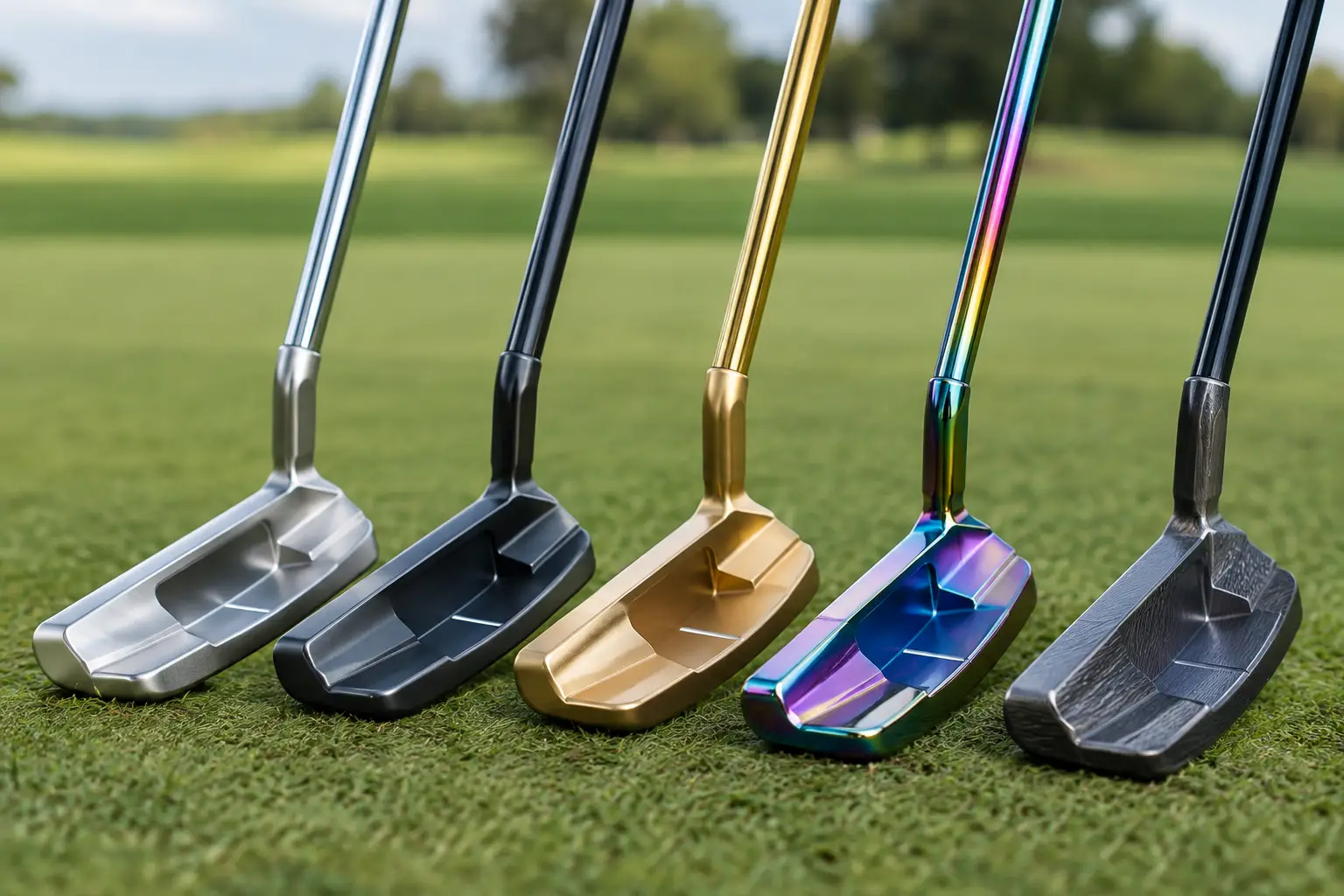
Start with the head shape. Blade putters are generally smaller and can appeal to golfers who like a clean, traditional look and a more responsive feel. Mallet putters have larger heads and often offer more forgiveness on off-center strikes. Neither style is automatically better. If a mallet helps you aim with greater confidence, that matters. If a blade helps you see the line clearly and release the club naturally, that matters too.
Next, pay attention to how the putter balances. Some putters are designed for a straighter-back, straighter-through stroke, while others work well for players whose stroke has more arc. You do not need to get lost in complicated labels to make a good choice. Roll a few putts. If the face wants to return square without you fighting it, you may be on the right track.
Length deserves more attention than many golfers give it. A putter that is too long can pull your eyes away from the target line and encourage poor posture. One that is too short can make you feel cramped or force your hands too low. Standard lengths work for many players, but “standard” is not the same as “right for everyone.” A simple length adjustment can make a familiar putter feel like a much better tool.
The grip is another small detail with a big effect. A worn, slick grip can make a quality putter feel unreliable. Some golfers prefer a traditional pistol shape, while others want a larger grip that quiets the hands. Regripping a preowned putter is an affordable way to make it feel fresh, clean, and better suited to your preferences.
What to Check Before You Buy
Condition should be evaluated with honesty, not guesswork. Cosmetic wear on the sole or finish is common and often has no effect on performance. A little bag chatter tells you the club has been played, not necessarily that it has a problem. The important question is whether the putter is structurally sound and ready to be used.
Look closely at the face. It should be free of deep dents, major gouges, or damage that could affect how the ball comes off the club. Check the alignment line or sight dot as well. If it is clean and easy for you to see, it can make setup easier on pressure putts.
Inspect the shaft for bends, rust, or loose connections at the hosel. The head should not rattle or twist. Then take a good look at the grip. If it is cracked, hard, smooth, or badly worn, plan on replacing it. That is not always a reason to walk away from the putter, but it should be part of the value conversation.
Finally, set the putter down behind a ball. Does the face appear square to your eye? Can you see the alignment aid without moving your head around? A putter may be in excellent condition and still be the wrong fit if the shape makes you uncomfortable at address.
A Better Price Should Still Come With Honest Service
The best used putters are not simply the cheapest ones. They are the ones sold with clear information about their condition, practical guidance about fit, and no pressure to buy something that does not serve your game. A trustworthy shop should be willing to talk plainly about wear, needed repairs, and whether another option may fit you better.
That personal guidance is especially helpful for golfers building their first set. It is easy to spend money on a club because a tour player uses it or because a certain brand has a strong reputation. But your putting stroke, posture, budget, and comfort matter more than a logo. A humble, honest recommendation can save you from buying twice.
At PaPa’s Pro Shop, each customer is treated like family. That means looking at the whole club, not just the price tag. A good preowned putter may need a new grip, a change in length, or a little cosmetic attention, but those details can be addressed with care so the club is ready to earn its place in your bag.
When a Used Putter May Need Some Work
A little repair work is not a red flag. In many cases, it is an opportunity to make the club fit you better. Regripping is the most common update, and it can immediately improve comfort and control. Length adjustments are also worth considering when the putter feels awkward at address.
Cosmetic work can be valuable, too, especially when faded paint fill or a dull finish makes the alignment features difficult to see. Polishing or refinishing may improve appearance, but the decision should be practical. If you love the putter and it rolls the ball well, a fresh look can be worthwhile. If the head is damaged or the cost of restoration outweighs the club’s value, it may be wiser to keep shopping.
Do not overlook the simple test of rolling real putts. A putter can look great in your hands but feel unstable once you move it. Try short putts first, then work back to longer ones. Notice whether distance control feels natural and whether you can start the ball on your intended line more often than not.
Let Confidence Lead the Choice
A putter is not a magic answer for every missed putt. Practice, green reading, and a repeatable routine still matter. Yet a club that fits your eyes and hands can remove one unnecessary doubt from the process. That is a meaningful improvement, especially when the scorecard gets tight.
Before you spend more than you need to, give a quality preowned option a fair look. Ask questions, inspect the condition, and be willing to make a small adjustment for a better fit. The right putter is the one you trust enough to make a smooth stroke, keep your eyes on the line, and let the result be in God’s hands.


Comments