
Preowned Golf Club Review Guide That Saves Money
That driver with the clean crown and bargain price can still be the wrong club for your game. A good preowned golf club review guide is not just about spotting a deal. It is about knowing whether a club is sound, whether it fits how you swing, and whether a little repair work could turn a decent find into a club you trust.
For a lot of golfers, buying preowned is simply good stewardship. You save money, keep quality equipment in play, and often end up with better performance than you would get from a brand-new bargain-bin set. But there is a difference between affordable and cheap. The right club gives you value. The wrong one just gives you another replacement to buy later.
How to use this preowned golf club review guide
Start with the part that matters most - your game. A preowned club can be in excellent condition and still be a poor fit if the loft, shaft, length, or model type works against you. New golfers often do better with forgiving irons, higher-lofted fairway woods, and drivers that help get the ball in the air. More experienced players may want a narrower sole, lower spin, or a shaft profile that matches a faster swing.
That is why condition should never be the only question. Ask what problem you are trying to solve. Are you replacing a broken club, building your first set, or trying to gain consistency? If you know the answer, it gets easier to judge whether a used club is actually a smart buy.
What to check before you buy
The clubhead tells you a lot. Look at the face first. Normal wear is expected, especially on wedges and irons, but deep grooves worn smooth, cracks near the face, or signs of separation are worth walking away from. Cosmetic wear on the sole or crown is usually less serious. A scratched driver can still perform well. A cracked one cannot.
Next, check the hosel and shaft connection. If there is any movement where the shaft meets the head, that is a red flag. Sometimes a loose head can be repaired, but the price only makes sense if you know the repair cost up front. If you are shopping online, ask for close photos of the hosel, face, sole, and grip. If a seller avoids those angles, there is usually a reason.
Shafts deserve more attention than they usually get. Steel shafts can hide rust around the step areas or under the grip. Graphite shafts can have chips, splintering, or stress marks that are easy to miss at first glance. A damaged shaft can fail completely, and that turns a bargain into a problem. Roll the club if possible and check for bends. If anything looks off, trust your eyes.
Grips matter too. Worn grips do not always mean the club is bad, but they do affect cost. If the grip is hard, slick, cracked, or shrinking, plan on replacing it. That is not a deal breaker. In many cases, fresh grips are one of the easiest ways to make a preowned club feel right again. It just needs to be part of your budget.
Condition matters, but fit matters more
This is where many golfers overspend or undershoot. They find a recognizable brand name and assume they are safe. But a well-known model with the wrong shaft flex or length can make the game harder, not easier.
Shaft flex is not perfectly standardized from one brand to another, so do not rely on the letter alone. A regular flex in one line may feel softer or firmer than another. Tempo matters. So does launch. If you tend to slice, a shaft and clubhead combination that is too long or too stiff can make that miss worse. If you fight a hook, a draw-biased used driver may not be your friend, even if the price is excellent.
Length and lie angle also deserve a second look, especially in irons. If clubs have already been altered, they may fit the previous owner and not fit you at all. That does not always mean you should pass. Sometimes a used set becomes a great value because a simple length adjustment or lie correction brings it back into a playable window.
The best preowned clubs are not always the newest ones
A lot of golfers assume newer is automatically better. Sometimes it is. Often it is just newer. Golf equipment changes, but not every yearly release is a dramatic leap forward.
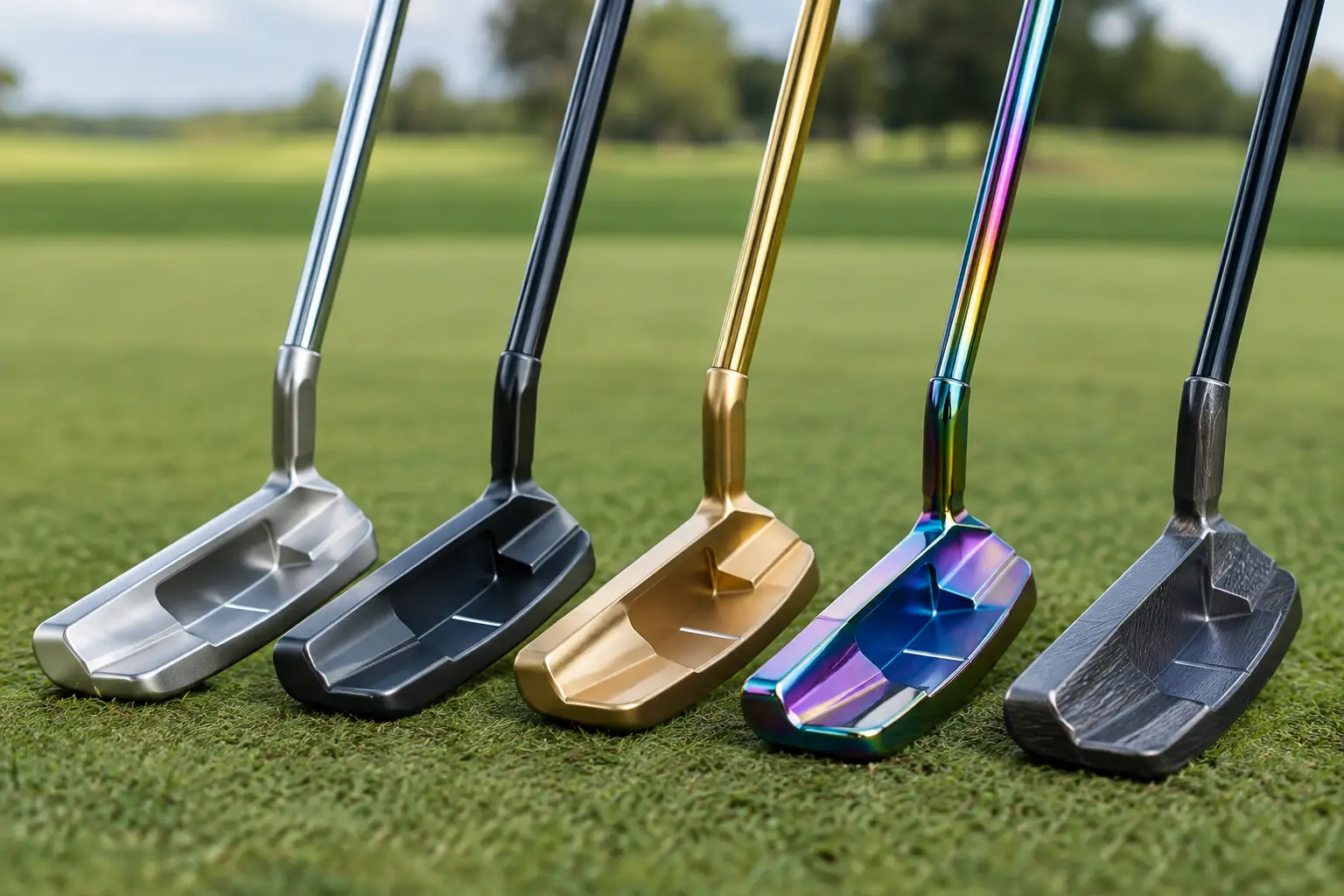
A driver from a few seasons ago may offer nearly the same forgiveness as a current model at a fraction of the price. Irons from an older game-improvement line can still be easy to hit and dependable. Putters especially tend to hold their value in performance longer than marketing suggests. What matters is whether the design helps your game now.
Wedges are a little different. Groove wear matters more there, so age and use can affect spin and control in a real way. With wedges, a lightly used option is usually better than an older club that has seen a lot of rounds. Fairway woods and hybrids sit somewhere in the middle. They can be excellent preowned buys if the faces and shafts are healthy.
When repairs make a used club worth buying
This is where a local shop can save you money. A club that needs a grip, ferrule, shaft replacement, loft check, or cosmetic cleanup is not automatically a bad purchase. Sometimes it is the best value in the room.
If the head is solid and the model suits your game, repairs can be the difference between a compromise and a custom-feeling club. Regripping is straightforward. Length adjustments can help posture and strike quality. Shaft replacement can completely change how a club performs. Even simple cosmetic work like polishing or paint fill can make an older club feel cared for again.
The trade-off is simple - repair costs only make sense when the final total still leaves you ahead. If a used driver is cheap but needs a new shaft, adapter work, and grip, that total may creep too close to the price of a better ready-to-play option. Honest advice matters here. You want someone who will tell you when to fix it and when to pass.
Red flags that should slow you down
Some signs are easy to miss because the club still looks good at a glance. Be careful with clubs that have mismatched shafts in a set unless you know exactly why they were changed. Watch for iron sets missing a key club, because replacing a single matching iron later can be harder than expected. Be cautious with driver heads that show hairline cracks near the face or crown, and with wedges that look shiny but have worn grooves.
Counterfeits are another issue, especially online. If the branding looks slightly off, the serial number is missing or suspicious, or the price is far below normal market value, it is fair to ask hard questions. A real bargain exists. So does fake equipment.
Who should buy preowned, and who may want to wait
Preowned clubs are a strong option for beginners, budget-conscious golfers, and players rebuilding a set one club at a time. They are also smart for golfers who want to test a different model without paying full retail. If you are learning, the money you save on clubs can go toward lessons, practice, or needed repairs to the clubs you already own.
There are times to be more selective. If you have a very specific fitting need, an unusual shaft profile, or advanced preferences around spin and launch, a random used club may not be the best path unless it can be adjusted. Competitive players can absolutely buy preowned, but they usually benefit from a more careful review process.
A better way to judge value
The best used club is not the cheapest one. It is the one that gives you dependable performance at a fair total cost. That total cost includes any grip work, shaft work, loft or lie changes, and the simple question of whether the club helps you play with more confidence.
At PaPa's Pro Shop, that is how we look at preowned equipment. Each customer is treated like family, and attention to detail is paramount. If a club is worth bringing back to life, say so. If it is not, say that too. Golfers deserve straight answers, especially when they are trying to stretch a budget and still enjoy the game.
A good preowned club should leave you feeling like you bought wisely, not like you settled. If you take your time, ask the right questions, and stay open to a little repair or adjustment work, there is a good chance your next favorite club is one somebody else already used first.


Comments