
Can Old Golf Clubs Be Refurbished?
That old 7-iron in the garage might not be done yet. If you have been wondering, can old golf clubs be refurbished, the short answer is yes - often more than people expect. A worn grip, a tired shaft, chipped paint fill, and years of bag chatter do not always mean a club belongs in the corner or at a yard sale. Many older clubs can be brought back to solid playing condition, and sometimes to a look that feels brand new in the bag.
For a lot of golfers, that matters because replacing a full set gets expensive fast. Not every player needs the latest release, and not every older club is outdated in a way that hurts performance. Sometimes good stewardship means repairing what still has life left in it.
Can old golf clubs be refurbished and still perform well?
In many cases, yes. Refurbishing is not just about making a club look nicer. The right work can improve comfort, consistency, and confidence at address. Fresh grips can help your hands stay quiet through impact. A proper shaft replacement can change ball flight and feel. Length adjustments can make an older club fit your swing better than it did when you first bought it.
That said, there is a difference between restoring a club and turning it into something it was never designed to be. Refurbishment can absolutely improve a good club, but it cannot erase every limitation of older design. A 20-year-old driver may still be less forgiving than a newer one, even after quality repair work. A classic iron head can be cleaned up beautifully, but if the grooves are worn beyond usefulness, the performance gain may be limited.
This is where honest advice matters. The goal is not to sell a repair no matter what. The goal is to help you decide whether the club in your hand is worth the time and money.
What parts of an old golf club can be refurbished?
More than most golfers realize. Grips are the most common starting point because they wear out quietly. If a grip feels slick, hard, cracked, or just too small for your hands, replacing it can make a bigger difference than many players expect. It is one of the simplest ways to breathe life into an older set.
Shafts can also be replaced when they are damaged, poorly fit, or simply past their best days. Steel shafts can rust or bend. Graphite shafts can splinter, weaken, or feel inconsistent over time. If the clubhead is still sound, swapping the shaft may be the smarter move than replacing the whole club.
Length and lie adjustments may also help, depending on the club. If your clubs were never fit to you, small changes can improve contact and comfort. That is especially helpful for newer golfers using hand-me-down sets that were built for someone else.
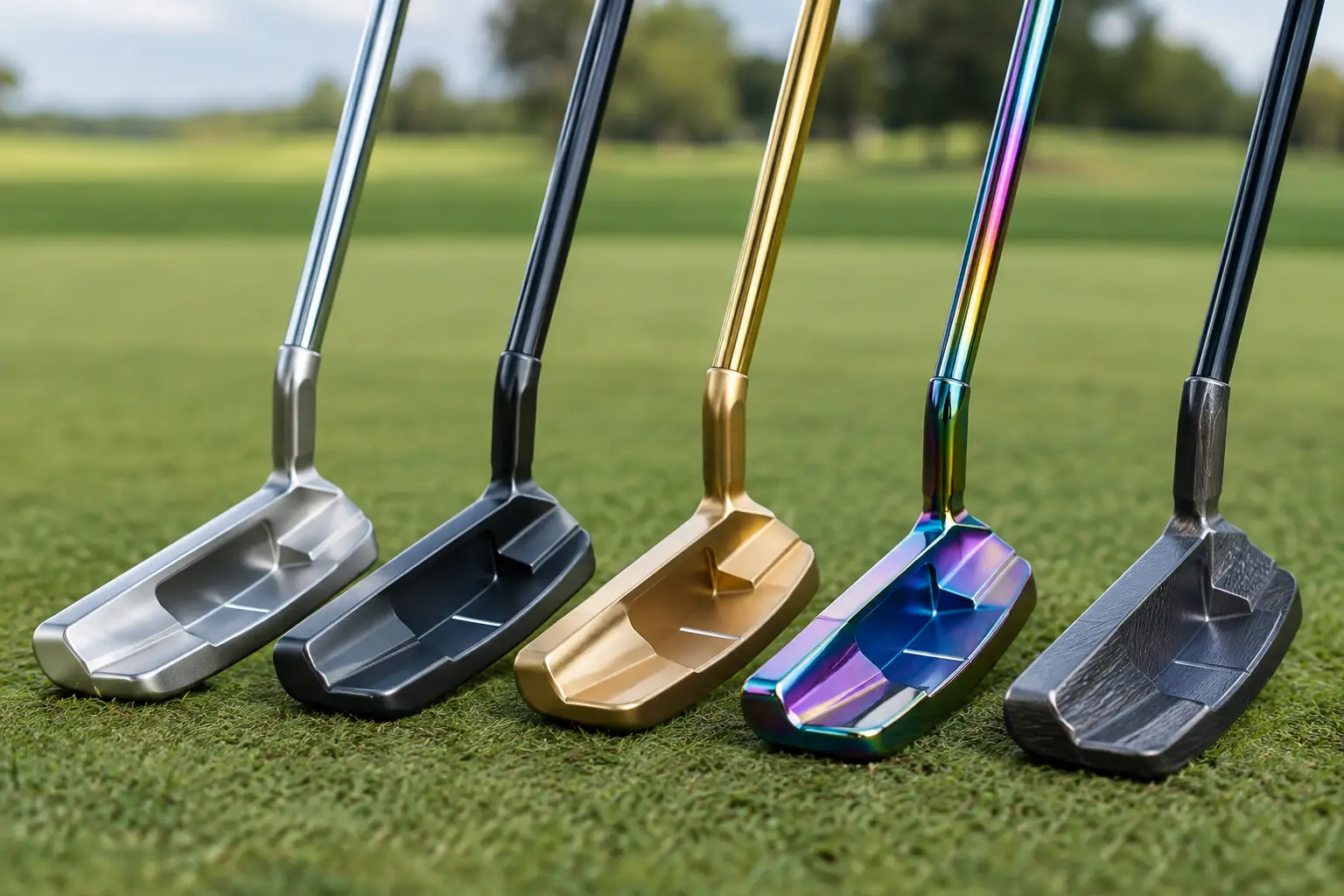
Then there is the cosmetic side. Paint fill can be redone. Metal can often be polished. Ferrules can be replaced or cleaned up. Some heads can be refinished or coated depending on the material and condition. Cosmetic work will not fix every performance issue, but it can restore pride in a set and make clubs feel cared for again.
When refurbishing old golf clubs is worth it
Refurbishing makes the most sense when the core of the club is still solid. If the head is structurally sound, the hosel is intact, and the club still fits a role in your bag, repair work can be a smart value. This is especially true for wedges you love, iron sets with a feel you trust, or putters you would rather keep than replace.
It also makes sense when your issue is clearly fixable. Bad grips, one broken shaft, loose heads, cosmetic wear, or clubs that need simple tuning are usually much cheaper to address than buying replacements. For golfers building a budget-friendly set, refurbishing can stretch every dollar further.
Older clubs can be worth refurbishing for sentimental reasons too. Maybe they belonged to a parent or grandparent. Maybe they were the clubs you learned with. Not every golf decision is about resale value. Sometimes preserving something meaningful matters, and there is nothing wrong with that.
In a family-first shop, that part is understood. Golf is not only about numbers. It is also about memories, trust, and taking care of what you have been given.
When it may be better to replace than refurbish
There are times when the honest answer is no. If the clubhead is cracked, the face is caved in, the grooves are too worn to be useful, or the shaft damage is severe, repair may not be worth the cost. The same goes for very old, low-performing clubs that were not great even when they were new.
Sometimes the economics just do not work. If refurbishing several clubs will cost close to what a better reconditioned set would cost, replacement may be the wiser path. This is why transparency matters so much. Good repair work should help you save money or preserve something worthwhile, not push you into spending for the sake of spending.
There is also the fitting question. If your clubs are far too short, too long, too heavy, or too stiff for your swing, piecing together repairs may still leave you with a set that does not serve you well. In that case, a different used or reconditioned setup might be the better investment.
What refurbishment can and cannot fix
Refurbishment can fix wear, damage, and fit issues. It can make clubs easier to hold, more dependable to swing, and more enjoyable to look at. It can restore confidence in a set that still has good bones.
What it cannot do is rewrite the clubhead design. It cannot turn a blade into a game-improvement iron. It cannot make an old driver conform to every modern preference in launch and forgiveness. It also cannot always reverse severe structural wear.
That is not bad news. It is simply a reminder to set the right expectation. The best refurbishment work respects what the club already is and improves it honestly.
How to decide if your clubs are good candidates
Start with three simple questions. Do you like how the clubs feel when you strike the ball well? Are the problems mostly wear-and-tear rather than structural damage? Will refurbishing cost meaningfully less than replacing them with something equal or better?
If the answer is yes to most of those, your clubs may be strong candidates. Bring them to someone who can inspect the heads, shafts, grips, ferrules, and overall condition in person. A trustworthy shop will tell you plainly what is worth fixing, what is optional, and what is better left alone.
This is where personal service beats guesswork. A golfer does not always need a sales pitch. Sometimes you just need someone to put the clubs on the bench, take a careful look, and speak plainly.
The value side most golfers appreciate
For many everyday players, the question is not only can old golf clubs be refurbished. It is whether doing so makes sense for the way they play and spend. Often, it does. A refreshed set can give you seasons of reliable golf without the price tag of buying new. That matters for beginners, weekend golfers, and families trying to enjoy the game without overspending.
There is also something satisfying about restoring instead of replacing. It is practical. It reduces waste. It honors the idea that not everything old is finished. In a sport where marketing can make you feel behind every season, there is real peace in knowing a well-cared-for club can still serve you faithfully.
At PaPa’s Pro Shop, that mindset is part of the work - helping golfers make wise decisions, save money where they can, and get honest craftsmanship instead of pressure.
If you are looking at a dusty set in the garage or a favorite club that has seen better days, do not assume it is done. Sometimes all it needs is a careful hand, a trained eye, and a little attention to detail to get back where it belongs - in your bag and back on the course.


Comments