
How to Buy Budget Golf Clubs Smart
That $1,200 rack of shiny clubs can make a new golfer feel like the game has a price of admission. It does not. If you are wondering how to buy budget golf clubs without ending up with a trunk full of regrets, the good news is simple - you can build a reliable set for far less than most people think. The key is knowing where performance matters, where marketing takes over, and when a used club is actually the smarter buy.
For most golfers, especially beginners and casual players, the goal is not to own the newest equipment. The goal is to have clubs that are dependable, fit your swing well enough, and give you a fair chance to enjoy the round. Good stewardship matters in golf just like anywhere else. Spending wisely is not settling. It is buying with purpose.
How to buy budget golf clubs without wasting money
The biggest mistake budget buyers make is shopping by brand name first and fit second. A great deal on clubs that are too long, too stiff, or too demanding for your skill level is not really a deal. Before you compare prices, get clear on what kind of golfer you are right now.
If you are brand new, you do not need a full 14-club setup on day one. A driver, a fairway wood or hybrid, a few forgiving irons, a wedge, and a putter can carry you a long way. If you play a few times a month and want to improve, then it makes sense to focus on consistency and gapping. If you already know your miss and your distances, your budget should go toward the clubs that affect those results most.
That is why honest advice matters. A family-run shop that takes time to look at your game can often save you more money than a giant sale sign. Sometimes the right answer is buying fewer clubs. Sometimes it is repairing what you already own.
Start with your real budget
Set a number before you shop, but give it structure. Think in categories instead of one total. You may decide to spend more on irons and a putter, then save on a driver and bag. Or you may build your set in stages over a few months.
A realistic budget setup for many golfers might mean prioritizing the clubs used most often. Putters and wedges matter. Irons matter. A driver matters too, but not enough to justify blowing half your budget on one club if the rest of the bag is a mismatch.
Budget buying works best when you stay patient. If you chase bargains one club at a time without a plan, you can end up with odd loft gaps, mixed shaft profiles, and a set that feels different from club to club.
New, used, or reconditioned?
For most value-focused golfers, used and reconditioned clubs are where the best opportunities live. New clubs lose value fast, and many golfers trade in equipment long before it is worn out. That opens the door for smart buyers.
Used clubs are often the best fit when you want quality at a lower price. A set that was premium a few years ago may now cost less than a brand-new entry-level set, while still offering better feel and build quality. Reconditioned clubs can be even better if the work was done carefully. Fresh grips, cleaned grooves, checked shafts, and basic cosmetic improvement can turn a tired club into something trustworthy again.
There is a trade-off, of course. Used clubs vary in condition, and not every seller evaluates them honestly. Reconditioned only means something if the person doing the work actually cares about detail. That is where relationship-based buying has an advantage. You want someone who will tell you when a club is worth restoring and when it is better to pass.
What to check on preowned clubs
When you inspect a used club, start with the face and grooves. Normal wear is fine. Heavy wear, especially on wedges, can mean less spin and less control. Then check the shaft for dents, cracks, or rust. Look at the hosel area and ferrule for signs of stress or poor repair.
Grips matter more than many golfers realize. Slick, hardened grips make clubs harder to control, but they are also one of the easiest fixes. If a used club is priced right, bad grips should not scare you off. They should simply become part of the total cost.
Also pay attention to whether the set actually belongs together. Some mixed sets are built thoughtfully. Others are random leftovers. There is nothing wrong with a blended bag if the lofts, lengths, and shafts make sense. If they do not, you may spend more later trying to solve problems you bought by accident.
Fit beats flash every time
If you want to know how to buy budget golf clubs wisely, remember this: a club that fits you reasonably well will outperform a fancier club that does not. Fit does not have to mean an expensive tour-level fitting. It means getting the basics right.
Club length, shaft flex, lie angle, and head style all affect how a club performs. A beginner with a slower swing speed usually benefits from more forgiving heads and shafts that are easier to load. A stronger player may need something different. Height matters, but so does posture and arm length. Tempo matters too.
This is where custom tweaks can stretch a budget. A used club that is slightly short can sometimes be extended. A set with worn grips can be regripped to better match your hands. Loft and lie adjustments may help certain irons perform more consistently. Those practical improvements often deliver more value than buying newer clubs that still are not right for you.
The clubs worth prioritizing
If your budget is tight, put the most thought into irons, wedges, and putter. Irons are the backbone of most sets, and if they are too difficult to hit, the game gets frustrating fast. Look for forgiveness over ego. There is no prize for making golf harder.
Wedges deserve attention because the scoring shots happen close to the green. If your current wedge faces are worn down or your gapping is a mess, a simple upgrade can help quickly.
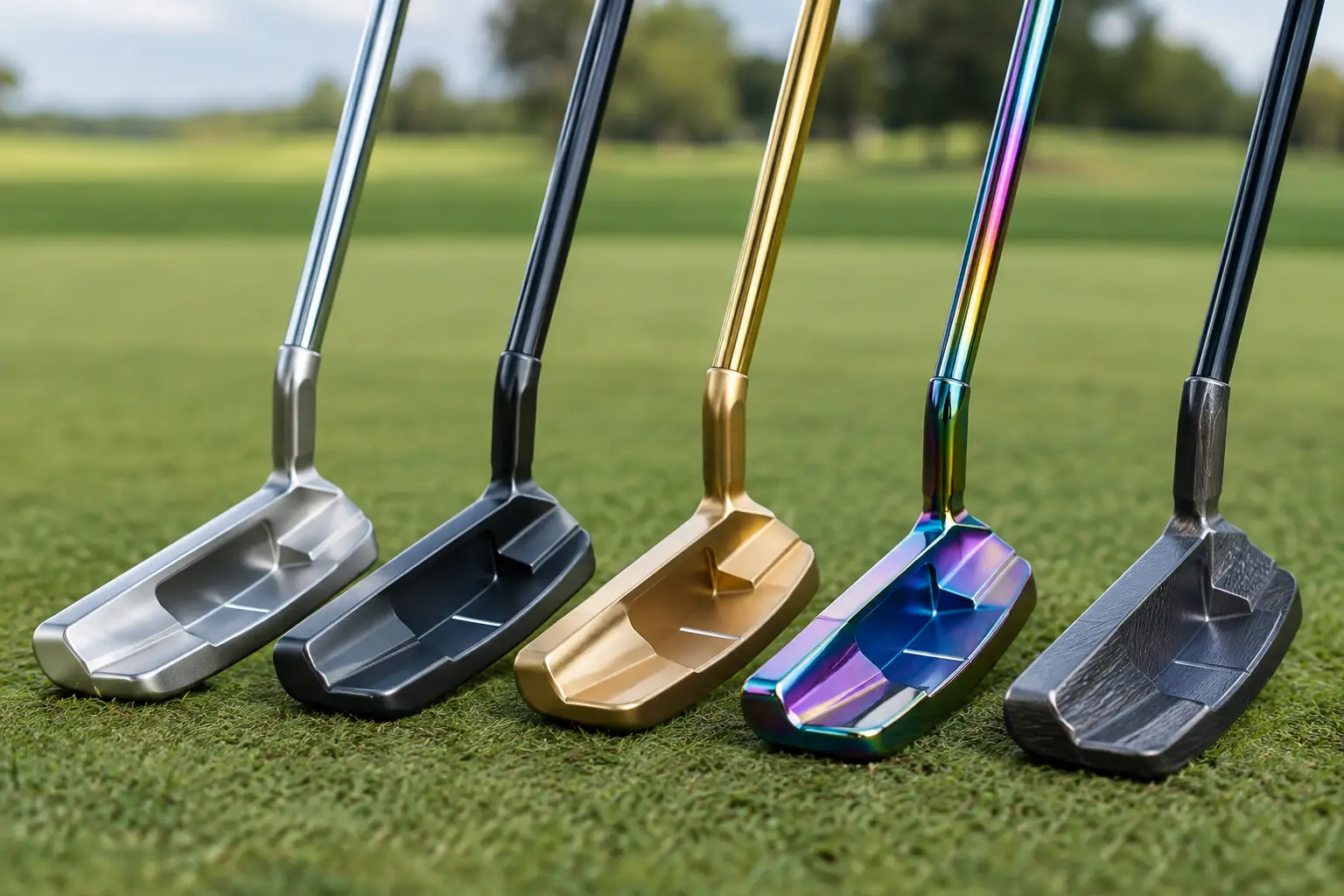
As for the putter, feel and confidence matter more than trend. You do not need the latest shape on the market. You need something that helps you aim and roll the ball consistently.
Drivers and fairway woods are worth buying carefully, but there is no need to chase the newest release. A driver from a few model years ago can still be an excellent performer for a budget-minded golfer.
Where people overspend
Many golfers overspend on full matching sets they do not really need. A boxed set can make sense for some beginners, but not all boxed sets are equal. Some are fine for getting started. Others are cheaply built and quickly outgrown.
Another common mistake is paying for cosmetics alone. A few scratches will not ruin a club. In fact, minor wear on a good club can be a better buy than a spotless club with the wrong specs or weaker construction.
Golfers also tend to ignore repair options. Regripping, shaft replacement, loft and lie work, or a small rebuild can bring new life to clubs you already own. If the foundation is good, repair is often the most budget-friendly path. At PaPa’s Pro Shop, that kind of hands-on work helps golfers save money without giving up quality.
How to shop with confidence
Buy from someone willing to answer plain questions. Ask why a club is a good fit for your game. Ask what shape it is really in. Ask what it would cost to make it better if it needs grips or a small adjustment. Honest sellers do not get bothered by those questions. They welcome them.
It also helps to think long term. The cheapest club is not always the best value if it needs immediate replacement. On the other hand, a well-priced preowned set with a few smart updates can carry you for years.
If possible, hit clubs before you buy or work with someone who will guide you through the decision instead of pushing you toward the highest ticket. Personal service still matters. Golf is hard enough without feeling rushed into the wrong purchase.
A simple way to build a budget set
If you are starting from scratch, begin with a forgiving iron set, a putter you like looking down at, one wedge you can trust, and either a driver or hybrid depending on what gives you confidence. Add pieces as your game grows. There is no rule that says your set has to be finished all at once.
That slower approach is often the wiser one. It leaves room for learning, adjustment, and better decisions. And for many golfers, that is what buying on a budget really comes down to - not chasing perfect gear, but choosing clubs with care, honesty, and a little patience.
A good golf set should serve your game, not strain your wallet. If you stay focused on fit, condition, and real value, you can build something dependable and enjoy the game the way it was meant to be played - with gratitude, good company, and confidence in what is in your bag.


Comments