
Guide to Golf Club Trade In Value
- jeffreynoland713
- 3 days ago
- 6 min read
That driver in the garage might be worth more than you think - or less than you hope. A good guide to golf club trade in value starts with honesty about condition, demand, and timing. If you know what buyers and shops actually look for, you can avoid disappointment, make wiser upgrades, and stretch your golf budget a lot further.
For many golfers, trade-in value is not just about squeezing every last dollar out of an old club. It is about stewardship. If a club still has life left in it, trading it in can help fund your next set while putting usable equipment in someone else’s hands. That is good for your wallet and good for the game.
What golf club trade-in value really means
Trade-in value is the amount a shop is willing to credit or pay for your club based on what it can realistically resell it for after cleaning, checking, and sometimes reconditioning it. That number is almost never the same as what you originally paid, and it is usually lower than a private-sale asking price.
That difference is not a trick. A shop takes on risk. It may need to replace a grip, inspect the shaft, touch up the head, or hold that club in inventory for a while before the right buyer comes along. Trade-in value reflects resale potential, not sentimental value.
This is where many golfers get frustrated. They remember the price tag from three years ago and expect that memory to carry weight. In the resale world, it usually does not. What matters is how desirable the club is today, how well it has held up, and whether it fits what current buyers want.
A practical guide to golf club trade in value factors
If you want a fair expectation, start with the same factors a reputable shop uses.
Brand and model matter
Some brands and models hold value better because they have a strong reputation, broad appeal, or slower product cycles. A well-known game-improvement iron set from a trusted brand often moves more easily than a niche model built for a very specific player.
Drivers and fairway woods tend to lose value faster than irons and wedges because technology changes quickly and marketing pushes golfers toward the next release. Putters can be a mixed bag. Common models may stay steady, while specialty putters depend heavily on condition and buyer interest.
Condition matters more than most golfers think
Light face wear is normal. Sky marks on a driver crown, chipped paint, rust, deep bag chatter, loose ferrules, or worn grips can all reduce value. Sometimes the issue is not cosmetic at all. If a shaft has been cut down unusually short or a club has a poor repair history, the resale pool gets smaller.
The good news is that condition is not just about what is wrong. Clean clubs with solid grooves, straight shafts, and grips that still feel usable create confidence. Buyers notice when a club has been cared for.
Age matters, but not always the same way
A five-year-old iron set can still have useful trade-in value if the model remains popular and playable. A five-year-old driver may have dropped much harder because newer releases changed adjustability, forgiveness, or face design.
There is no single rule here. Older does not always mean worthless, and newer does not always mean high value. Demand is what ties age to price.
Specs can help or hurt
Standard specs are generally easier to move. If your clubs are one inch over standard, bent several degrees upright, or built with a very uncommon shaft, the right buyer becomes harder to find.
That does not mean custom clubs have no value. It just means trade-in value depends on whether those specs fit a wide range of golfers. Sometimes a shop can rework a club through adjustments or regripping, but that extra labor affects the offer.
Why trade-in and private-sale prices are different
A private seller can wait for the perfect buyer. A trade-in shop cannot always do that. It has to evaluate what a club is worth in the real world, with margin for repairs, time, and resale risk.
If your main goal is maximum dollars and you do not mind taking photos, answering messages, packing boxes, and dealing with no-shows, private sale may bring more. If your goal is convenience, honest evaluation, and putting your credit toward something better right away, trade-in often makes more sense.
Neither path is automatically better. It depends on your priorities. For a lot of budget-conscious golfers, the peace of mind and simplicity of a trade-in are worth the difference.
When to trade your clubs for the best value
Timing affects value more than many golfers realize. The strongest trade-in window is often before a club becomes too outdated or before a major new release pushes older models down another step.
If you already know you want to upgrade, waiting an extra season rarely helps. Once a newer generation becomes the focus, your current club usually loses leverage. Trading while your equipment is still relevant is often the wiser move.
Season also plays a role. Demand tends to feel stronger when golfers are gearing up to play, not when the season is winding down and bags are heading into storage. That does not mean you should force a trade at the wrong time, but if you have flexibility, demand cycles matter.
Simple ways to improve your golf club trade-in value
You do not need to perform miracles. You just need to present your clubs honestly and carefully.
Start by cleaning them. Dirt in grooves, grass stains, and dusty headcovers make clubs look neglected even when they are structurally fine. A clean club gives a better first impression and helps a buyer or shop inspect it properly.
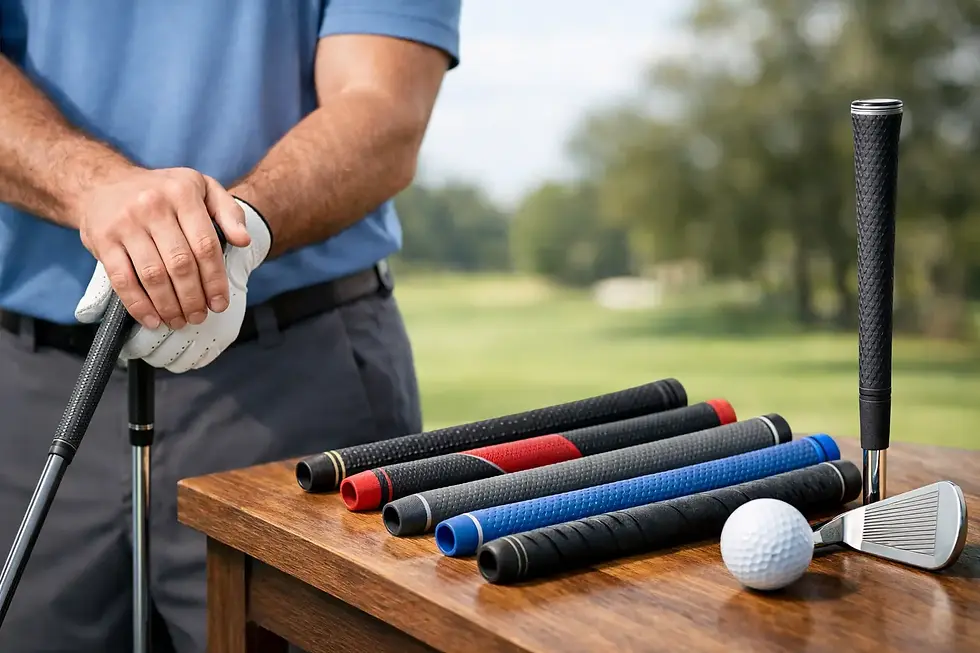
Next, pay attention to the grip. If the grip is slick, cracked, or visibly worn, that can pull value down because it signals immediate replacement cost. In some cases, a fresh grip can make sense before a trade. In others, especially on lower-value clubs, the cost may not be worth it. This is one of those it-depends situations.
If a club needs a small repair, ask whether that repair will raise value enough to justify the expense. A loose clubhead, damaged ferrule, or obvious shaft issue should be addressed. Minor cosmetic flaws may not be worth chasing. A trustworthy shop should be honest about that.
Finally, bring complete sets when possible. An iron set missing the 7-iron is harder to place. Matching headcovers, adjustment tools, and original shafts can also help certain clubs feel more complete and desirable.
What to expect from a fair trade-in conversation
A fair evaluation should feel clear, not slippery. You should be able to understand why one club brings more than another and what issues are affecting the offer. If a shop points out wear, grip condition, altered specs, or weak market demand, that is not lowballing by itself. That is part of a transparent process.
Good trade-in support also looks at the bigger picture. Maybe your current irons still have solid life and only your driver needs replacing. Maybe regripping your wedges makes more sense than trading them. Maybe a repaired and reconditioned set gives you better value than starting over. Honest guidance matters because the best move is not always the most expensive one.
That is especially true for newer golfers. If you are still building your swing, chasing every new release can drain your budget fast. A sensible trade-in can help you improve your setup without overspending.
Who benefits most from trading in clubs
Golfers upgrading from beginner clubs often benefit because a trade-in reduces the jump into a better set. Recreational players who want dependable equipment without premium pricing benefit too, especially when they work with a shop that understands reconditioned inventory and practical performance gains.
Even experienced players can benefit when they have older equipment sitting unused. Clubs in a closet do not help your game. If they still carry value, that value can be put to work.
For local golfers around St. Joseph and Savannah, Missouri, an appointment-based shop can be especially helpful because the trade-in conversation becomes personal. You can talk through what you play now, what you want to improve, and whether a repair, rebuild, or replacement makes the most sense.
The best mindset for trade-in value
The healthiest approach is to treat trade-in value as part of a wise equipment plan, not as a scorecard on what you spent in the past. Golf clubs are tools. Some hold value better than others, but all of them eventually move from new to used.
When you understand that, trade-ins become much less frustrating. You stop asking, “What did I pay?” and start asking, “What is this club worth in its current shape, and what can it help me do next?” That is usually where good decisions begin.
If you take care of your gear, stay realistic about the market, and work with people who value honesty over pressure, trading in clubs can be a practical blessing. It keeps good equipment in play, helps you save money, and reminds you that in golf, as in life, wise stewardship often beats chasing the newest thing.


Comments