
A Practical Guide to Golf Club Refurbishment
Updated: Jun 2
That old 7-iron in the garage might not be worn out—it might just be neglected. A good guide to golf club refurbishment starts with that simple truth. Many clubs people assume are ready for the trash can can actually be cleaned up, repaired, regripped, adjusted, and brought back into honest playing shape for far less than the cost of buying new.
For a lot of golfers, refurbishment is not about chasing vanity. It is about stewardship. If a club head is still sound and the shaft still fits your swing, there is often no reason to replace the whole club just because the grip is slick, the finish is dull, or the paint fill has seen better days. Done well, refurbishment helps you save money, extend the life of your equipment, and gain more confidence from the clubs already in your bag.
What Golf Club Refurbishment Actually Includes
Golf club refurbishment can mean a few very different things, and that is where many golfers get tripped up. Some hear the word and think purely cosmetic work. Others think it means major repairs. In truth, it can include both.
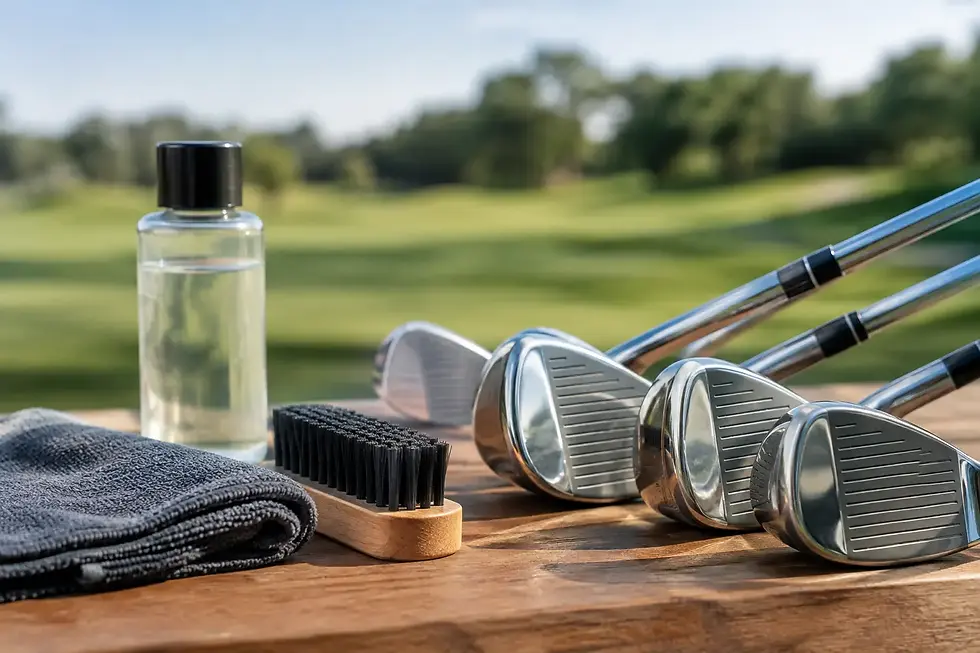
At the basic level, refurbishment often starts with a deep cleaning, groove cleaning, rust removal where appropriate, polishing, and new grips. That alone can make a tired set feel dramatically better in hand. For clubs that need more, refurbishment may also include shaft replacement, length adjustments, loft and lie checks, ferrule replacement, epoxy work, paint fill touch-ups, or head refinishing.
The right level of work depends on the club, your budget, and your goals. If you are putting together a first set, you may only need functional improvements. If you have a favorite putter or wedge you want to keep in play, cosmetic detail may matter more. There is no one-size-fits-all answer, and honest advice matters here.
Start This Guide to Golf Club Refurbishment with a Simple Check
Before spending a dollar, it helps to know whether your clubs are good candidates for refurbishment. Not every club is worth saving, but many are.
Begin with the club head. Look for cracks, major dents, face damage, or signs the head has been compromised structurally. Cosmetic scratches are one thing. A cracked driver crown or a wedge face worn nearly smooth is another. If the head is structurally unsound, refurbishment becomes harder to justify.
Next, check the shaft. Surface wear is common, but deep rust on steel or splintering and soft spots on graphite are red flags. A shaft can often be replaced, but once you add that cost to grip work and cosmetic work, the numbers may point you toward a different club instead.
Then look at the grip. Hard, shiny, slick grips are usually the easiest problem to solve. Regripping is one of the most affordable ways to improve feel and control, and many golfers wait far too long to do it.
Finally, think about fit. If a club is the wrong length, too upright or too flat, or built for a completely different player profile, refurbishment may make it prettier without making it better for you. A trustworthy shop will tell you that.
The Repairs That Give the Biggest Return
Some refurbishment work is mostly about appearance. Some has a direct effect on how the club performs. If your goal is better golf for sensible money, performance work usually comes first.
Regripping is at the top of the list. Fresh grips improve traction, reduce tension, and help you maintain consistent hand placement. For many recreational players, a new set of grips delivers more noticeable benefit than a shiny finish ever will.
Shaft replacement can also be worthwhile, especially if a good head is paired with a damaged shaft or one that never suited the player. This is where it really pays to get personal guidance. A shaft that is too stiff, too soft, too heavy, or too light can work against your swing every round.
Length adjustments matter more than many golfers realize. A club that is too long can make solid contact difficult. One that is too short can force poor posture and inconsistent strikes. Small changes can make a big difference, especially for newer players trying to build repeatable habits.
Loft and lie adjustments can be valuable too, particularly on irons and wedges. They are not magic, but they can help tighten turf interaction and directional consistency when the clubs are close to right but not quite there.
Cosmetic Refurbishment Is Not Just Vanity
There is a practical side to cosmetic work that people sometimes overlook. When a club looks cared for, many golfers simply trust it more. Confidence is not everything in golf, but it does matter.
Polishing, paint fill, ferrule cleanup, and finish restoration can make an older club look sharp again. That does not turn a 15-year-old driver into a modern distance machine, but it can make a favorite club feel worth keeping. For wedges and putters especially, cosmetic refurbishment often makes sense because those clubs can stay in the bag a long time.
That said, this is one of those areas where it depends. If your budget is tight, put the money into grips, repairs, and fitting before appearance. If the club already performs well and you want it to feel complete again, cosmetic work becomes easier to justify.
When Refurbishment Makes More Sense Than Replacement
The strongest case for refurbishment usually comes down to value. If you already own decent clubs with good bones, restoring them is often cheaper than replacing them with new retail equipment.
This is especially true for beginners, casual players, and families building sets on a budget. A reconditioned club that has been properly checked, repaired, and fitted as needed can offer real performance without the premium price tag. That matters for golfers who want to enjoy the game without overspending.
Refurbishment also makes sense when the club has sentimental value or fills a specific role in the bag that newer options have not replaced. Maybe it is the fairway wood you always hit straight or the putter you trust under pressure. If the core club is right, bringing it back to life can be the smarter move.
Replacement may be the better path when the technology gap is simply too wide, the repair cost stacks up too high, or the club was never a good fit in the first place. Honest service means saying that plainly.
Choosing a Shop for Golf Club Refurbishment
The best guide to golf club refurbishment should tell you this clearly: who does the work matters as much as the work itself. Golfers do not just need a technician. They need someone who will be candid about what is worth fixing and what is not.
Look for a shop that asks questions before making recommendations. How do you play? What are you hoping to improve? Are you trying to restore a favorite club, stretch a budget, or build a reliable set for regular play? Those answers shape the right plan.
Good refurbishment also requires attention to detail. Clean ferrule lines, solid epoxy work, properly installed grips, accurate length adjustments, and thoughtful finishing are signs that the craft matters. So is restraint. If a shop tries to upsell every cosmetic extra without first addressing performance and fit, that is worth noticing.
For golfers around St. Joseph and Savannah, Missouri, appointment-based service can be especially helpful because it gives room for real conversation instead of rushed counter advice. That family-style approach often leads to better decisions and better results.
How to Decide What to Refurbish First
If you have several clubs needing work, prioritize the ones that affect your score and comfort most. Start with any club you use often and trust enough to keep. Wedges, putters, and your most-used irons are common first candidates.
If your whole set feels tired, grips are usually the best first investment. If one club has a broken shaft or poor fit but you love the head, repair that next. Save heavier cosmetic work for clubs that have already earned their place in the bag.
This approach keeps you from spending emotionally instead of wisely. It is easy to get excited about making old clubs look new. It is better to make sure they play right first.
At PaPa’s Pro Shop, that kind of straightforward advice is part of treating customers like family. The goal is not to sell the most work. It is to help golfers get dependable clubs in hand, save money where they can, and feel good about what is in the bag.
Golf has a way of teaching patience, and club refurbishment fits that lesson well. Sometimes the better answer is not replacing what you have, but taking proper care of it and making it useful again. A club that fits your hands, your swing, and your budget can serve you well for a long time when it is given the attention it deserves.
Conclusion: Embracing the Value of Refurbishment
In conclusion, golf club refurbishment is a fantastic way to breathe new life into your equipment without breaking the bank. By understanding what refurbishment entails and knowing how to evaluate your clubs, you can make informed decisions that enhance your game.
Remember, it’s not always about having the latest technology. Sometimes, it’s about taking care of what you already own. Embrace the value of refurbishment, and you’ll find that your game can improve while staying within budget.
Whether you’re looking to restore a beloved club or simply want to ensure your equipment is performing at its best, refurbishment is a smart choice. So, the next time you consider tossing that old club, think again. It might just need a little love and care to shine on the course once more.


Comments