
Golf Club Upgrade Path Guide for Smart Buyers
Most golfers do not need a brand-new full set. They need a clear golf club upgrade path guide that helps them spend money where it actually lowers scores, improves contact, and keeps frustration off the course. If you are trying to build a better bag without wasting money, the right move is rarely replacing everything at once.
That matters even more if you are a newer player, a weekend golfer, or someone getting back into the game after a few years away. A smart upgrade path is about stewardship as much as performance. Buy what helps, keep what still works, and fix what can be made better.
Why a golf club upgrade path guide matters
A lot of golfers upgrade in the wrong order. They buy the club that looks exciting, not the one that fixes the biggest problem. A new driver can be fun, but if your wedges are worn out and your putter does not fit your stroke, your scores may not move much.
The better approach is simple. Start with the clubs you use the most, the clubs that cost you the most shots, and the clubs that can improve with fitting, repair, or adjustment instead of full replacement. That keeps your budget in line and gives each change a real purpose.
There is no one-size-fits-all formula. A golfer who slices the driver every hole has a different path than a player who hits tee shots fine but cannot get up and down. Still, there is a practical order that works for most everyday golfers.
Start with fit before you start with brand
Before talking about heads, shafts, or set makeup, it helps to ask a few honest questions. Are your clubs the right length? Are the grips too slick or too small? Is your shaft too heavy, too stiff, or just worn out? Those issues can make decent clubs play poorly.
This is where many golfers overspend. They think the whole club is the problem when the real issue is fit. A simple regrip, a shaft change, or a length adjustment can make an older club feel new again. For a budget-minded golfer, that is often the best first win.
If you have clubs that are more than a few seasons old but still structurally sound, do not assume they belong in the garage. A lot of preowned and reconditioned gear still has plenty of golf left in it, especially when it is looked over by someone who cares about the details.
Upgrade path step 1 - Grips, length, and basic repairs
This is not the glamorous answer, but it is the right one for a lot of players. Fresh grips can improve comfort, control, and confidence immediately. Worn grips make you squeeze harder, and that tension spreads through the whole swing.
Length matters too. Clubs that are too long or too short can change posture, contact, and direction. The same goes for loose heads, tired shafts, or ferrules that need attention. These are small things until they become big things.
If your budget is limited, begin here. Repairs and adjustments usually cost far less than replacing multiple clubs, and they often give you a better idea of what truly needs to change next.
Upgrade path step 2 - Putter and wedges
If you are looking for the fastest scoring improvement, start near the green. Most golfers hit far more putts and short-game shots than they realize, and that makes the putter and wedges high-value upgrades.
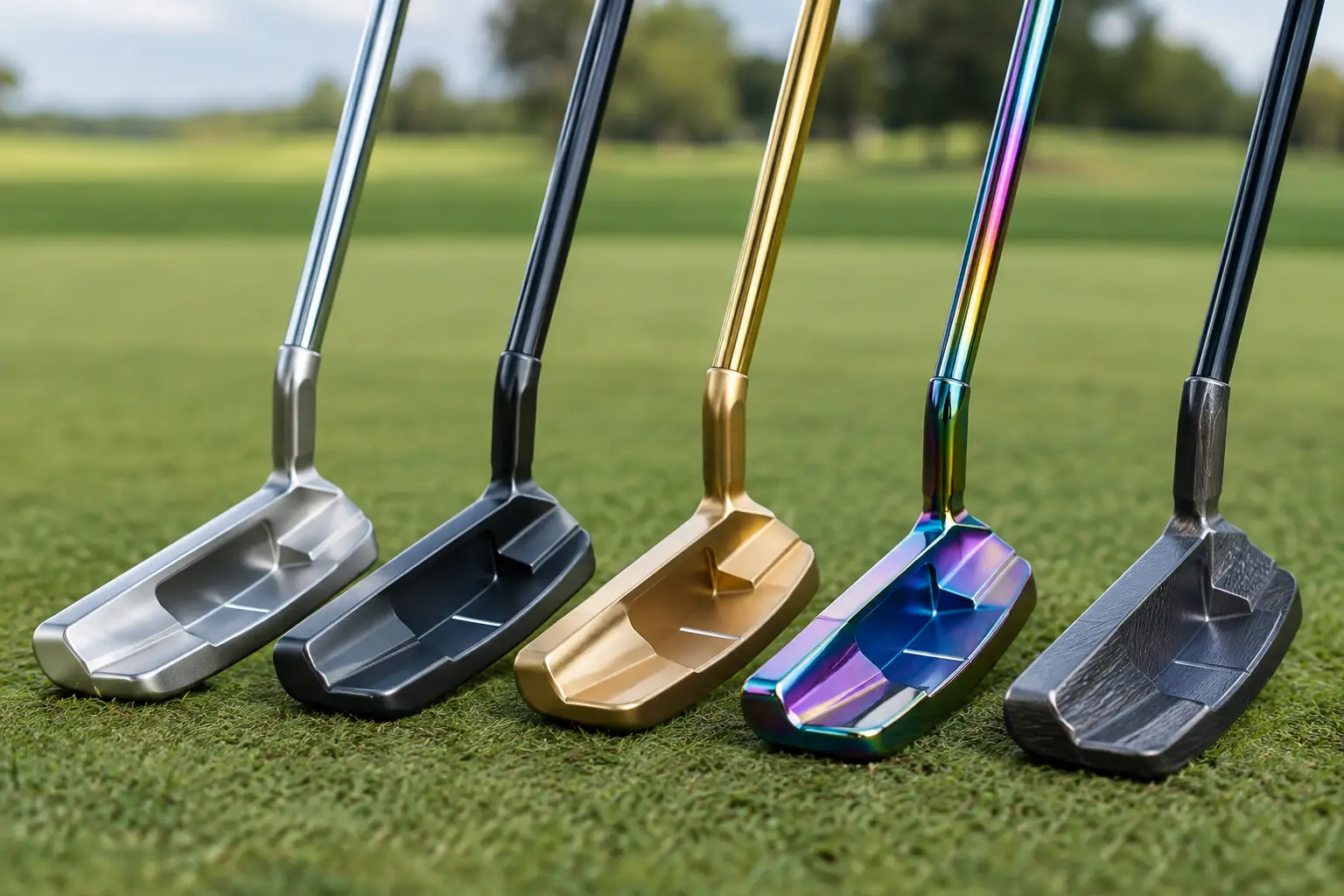
A putter should sit properly behind the ball and match your eye. If you fight alignment or distance control, it may not be because you are a bad putter. The club may not suit you. Sometimes the answer is a different head shape. Sometimes it is a length change or grip change. Either way, a putter that gives you confidence is worth more than a flashy club you hit a few times per round.
Wedges wear down. Grooves lose bite, soles stop interacting with the turf the way they should, and gaps between lofts can leave you guessing. If your pitching wedge goes one number and your sand wedge goes a much shorter one, you may be missing a scoring club in between. Better wedge gapping can save strokes fast.
For many recreational golfers, this is the first true equipment upgrade worth making after basic repairs.
Upgrade path step 3 - Driver, but only if it is costing you shots
The driver gets the attention because it is fun and visible. Sometimes that attention is justified. If your current driver is very old, poorly fit, or impossible for you to control, replacing it can help a lot.
But this is where honesty matters. If you miss fairways because of swing issues, a newer driver might reduce the damage a little, but it will not perform miracles. On the other hand, if your current shaft is a poor match or the club is set up wrong for your launch and spin, a better fit can make driving easier.
A good driver upgrade is about playable distance, not just max distance. Ten more yards in the rough is not much of a blessing. A driver you can trust is better than one you have to survive.
Upgrade path step 4 - Fairway woods and hybrids
This is one of the most overlooked parts of the bag. A lot of golfers carry clubs they do not hit well because they think they are supposed to. If your 3-wood stays in the bag all day or your long irons feel impossible, there is room for a smarter setup.
Hybrids are often a better answer than long irons for everyday players. They launch easier, help from rough, and make long approach shots less intimidating. Fairway woods can be useful too, but only if they fit a real need. Some golfers do better with a 5-wood than a 3-wood. Some need one hybrid, others need three.
This is where an honest conversation helps. The goal is not to copy a tour bag. The goal is to build a bag you can actually use.
Upgrade path step 5 - Irons last longer than people think
Irons matter, but they do not always need to be first in line. If your iron set is reasonably forgiving, the faces are in good shape, and the shafts fit you well enough, you may get more value from repairing and adjusting than replacing.
That said, there are times when an iron upgrade makes sense. If you are playing blades or demanding players irons that punish every slight miss, moving into a more forgiving set can make the game more enjoyable. If your current set has inconsistent distances, poor gapping, or shafts that are too heavy for your speed, a change can help.
New golfers should not feel pressure to buy a premium iron set. A quality preowned or reconditioned set with the right specs can be the better decision. It saves money and still gives you reliable performance.
When to buy used, when to repair, and when to wait
A strong golf club upgrade path guide should leave room for patience. Not every problem needs an immediate purchase.
Buy used or reconditioned when you need better performance but want value. This is especially smart with irons, wedges, fairway woods, and putters, where solid preowned options can perform beautifully. Repair what already fits your game when the issue is wear, grip condition, shaft damage, or length.
Wait when the club is not clearly costing you shots. If a change is based on curiosity more than need, it may be worth holding off. There is nothing wrong with wanting new gear, but there is wisdom in buying with purpose.
A practical golf club upgrade path guide by player type
If you are a beginner, start with a dependable used set, fresh grips, and a putter you like looking at. From there, focus on wedges and one reliable tee club.
If you are improving and starting to break 100 or 90, pay attention to gapping, wedge performance, and the top end of the bag. This is where a better driver or hybrid setup can really help.
If you are a steady recreational player who already has a full set, look closely at wear and fit before replacing anything. You may get a better return from regripping, shaft work, and a wedge refresh than from a full set overhaul.
For golfers around St. Joseph and Savannah, Missouri, an appointment-based shop experience can make this process much simpler. Instead of guessing from a rack, you can talk through what is actually happening in your game and what upgrade gives you the best value.
Build your bag with purpose
The best bags are not always the newest or the most expensive. They are the ones built with care, honesty, and a clear understanding of what the golfer needs right now. That is true whether you are replacing one wedge, regripping an older set, or building a full bag over time.
At PaPa's Pro Shop, each customer is treated like family, and attention to detail is paramount. That means giving advice you can trust, not pushing you toward the most expensive option on the shelf.
A good bag should grow with your game. Start where the need is clear, improve what you can, and let each upgrade earn its place. A wise path in golf, like in most things, is usually the one marked by patience, good counsel, and simple faithfulness.


Comments