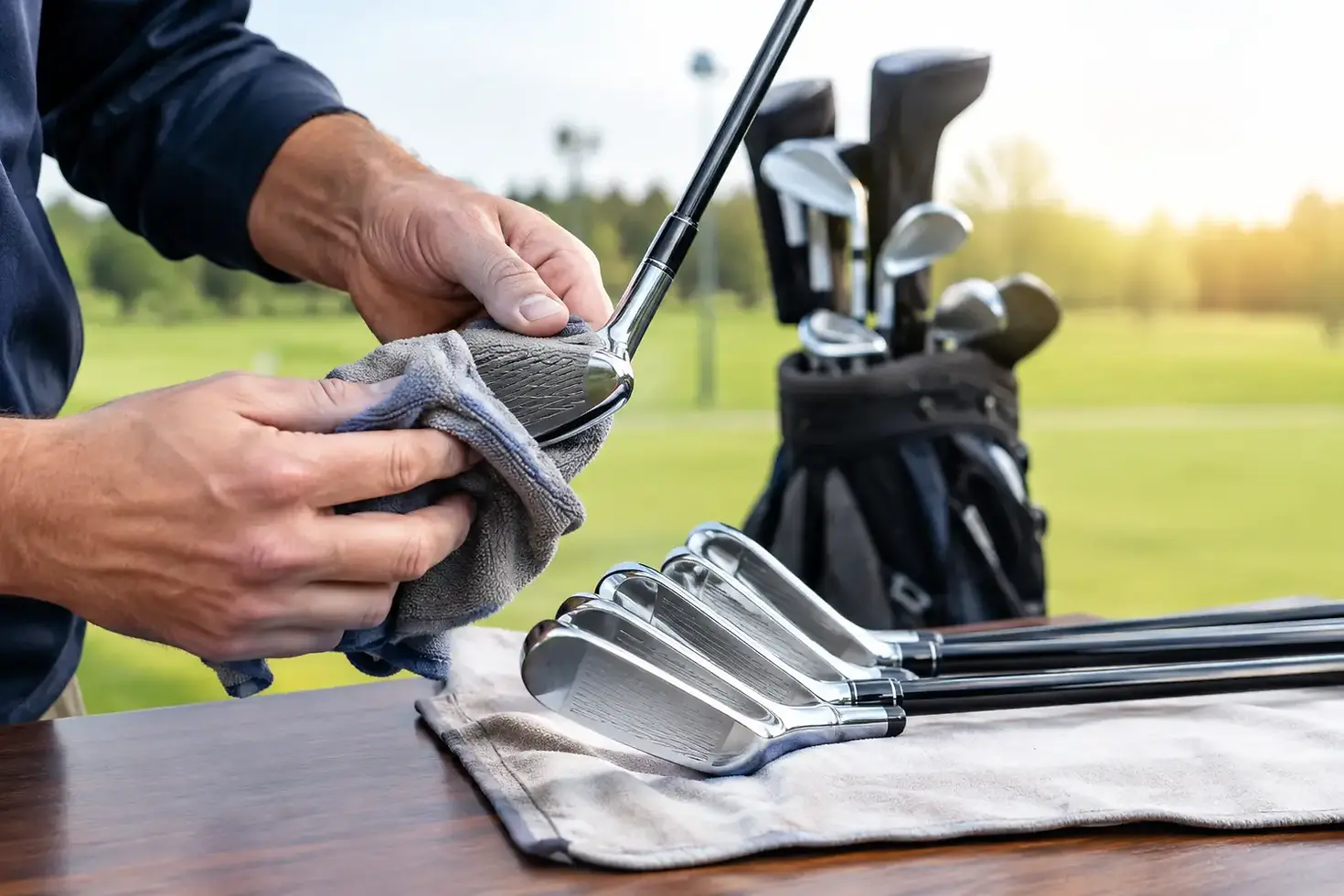
Club Restoration Makes Your Set Worth Keeping
A club does not have to be cracked, rusty, or decades old to deserve a second look. Sometimes the grip has become slick, the shaft feels wrong, the paint has chipped, or the clubhead simply looks tired in the bag. Club restoration gives golfers a practical way to bring trusted equipment back into service without paying big-box prices for a whole new set.
For many recreational golfers, an older club is not a bad club. It may be a dependable fairway wood that has always found the short grass, an iron set with plenty of life left, or a putter that feels right every time it sits behind the ball. The goal is not to make every club look factory-new. The goal is to make it clean, dependable, comfortable, and ready to help you play with confidence.
What Club Restoration Can Do for Your Game
Club restoration is part repair, part maintenance, and part common sense. It addresses the wear that builds up after seasons of range sessions, cart paths, wet rounds, and rides in the trunk. A restored club can look better, feel better in your hands, and in some cases perform more consistently because the fit has been corrected.
The biggest benefit is value. Replacing an entire set because of worn grips or cosmetic damage can be expensive and unnecessary. A quality clubhead, a sound shaft, and the right length are worth preserving. When repairs are handled with care, golfers can keep playing equipment they know and trust while saving money for greens fees, lessons, or that next family golf outing.
Restoration can also make a used club feel like your own. A fresh grip, a cleaned and polished head, and a color choice that fits your style can change the way you feel pulling a club from the bag. Confidence does not replace a good swing, but it sure helps when you stand over the ball.
Start With an Honest Look at the Club
Not every club needs the same level of work. Before changing anything, look at the grip, shaft, clubhead, ferrule, and overall fit. An honest inspection keeps a small issue from becoming a bigger one and keeps you from spending money where it will not help.
A grip is often the clearest place to start. If it is smooth, hard, cracked, shiny, or slipping in your hands, it is time for attention. Grips naturally wear down, especially for golfers who play often in heat and humidity. Trying to hold onto a worn grip can cause excess tension in your hands and forearms. A proper replacement gives you a more secure hold without needing to squeeze the club.
Shafts deserve a close look too. A bent steel shaft, a damaged graphite shaft, or a loose connection at the head can affect both safety and performance. Shaft replacement is sometimes the right answer, but it is not automatic. If the shaft is sound and suits your swing, keeping it may be the best stewardship of your golf budget.
Then consider length. A club that is too long or too short can make a good swing harder to repeat. Length adjustments are especially worthwhile for golfers who have changed their setup, are building a first set, or have picked up preowned clubs that were made for someone else. Small changes can make a meaningful difference at address.
Repairs That Matter Most
The best restoration work focuses first on what affects comfort, fit, and reliability. Cosmetics are enjoyable, but a polished club with a loose head is not ready for the course.
Regripping for Better Control
Fresh grips are one of the simplest and most useful upgrades available. The right grip size matters as much as the grip itself. A grip that is too small may encourage overactive hands, while one that is too large can make it harder to release the club naturally. There is no single grip that fits every golfer, which is why hands-on guidance is worth having.
You can also choose grips based on the way you play. Some golfers prefer a softer feel for comfort, while others want a firmer texture for traction. If you play in rain, sweat heavily, or like to practice often, durability and tackiness should be part of the conversation.
Shaft Replacement and Length Changes
A shaft replacement can revive a club with a broken, bent, or poorly matched shaft. It can also be a practical way to update one favorite club instead of replacing it. The right choice depends on the club, your swing, and what you are trying to improve. Chasing a more expensive shaft is not always the answer.
Length adjustments should be done carefully, since changing length can influence swing weight and the way the club feels through impact. A thoughtful repair shop will explain the trade-offs plainly. The point is not to sell the most work. It is to help you end up with a club that makes sense for you.
Clubhead Cleaning, Polishing, and Paint Fill
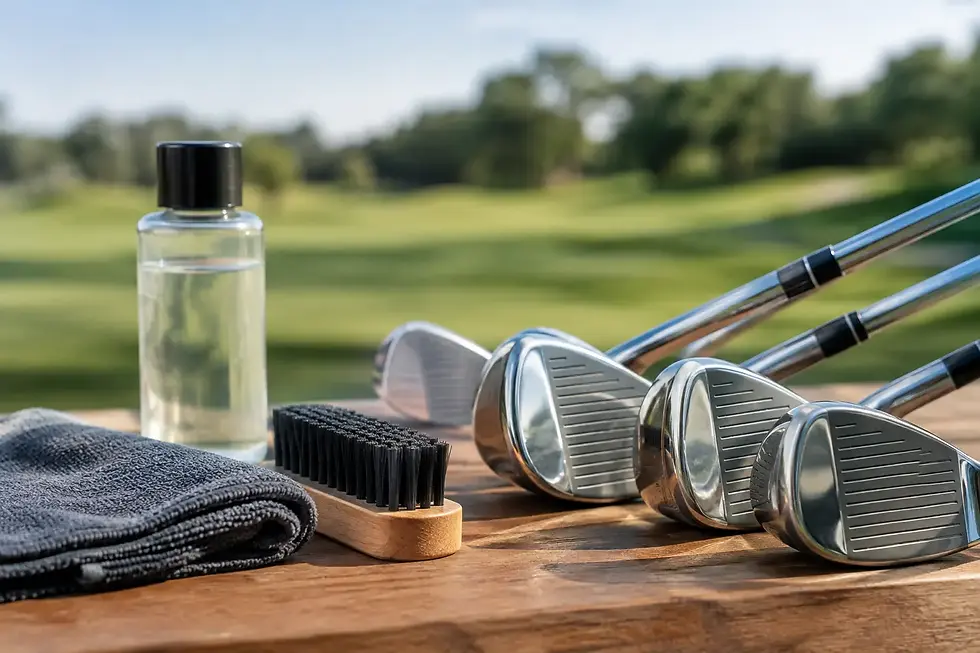
Cosmetic restoration brings satisfaction, especially when a well-loved club has plenty of rounds left in it. Cleaning and polishing can remove built-up grime and restore a cared-for appearance. Paint fill can refresh lettering, alignment marks, and details that have faded over time.
These services do not magically add distance, and honest club restoration should never promise that. What they can do is make your equipment look cared for, make alignment features easier to see, and give an older club new pride of place in the bag. For golfers who value taking care of what they have been given, that matters.
When Restoration Is Smarter Than Replacement
Restoration makes the most sense when the clubhead is structurally sound, the grooves are still usable, and the club can be brought closer to your needs through repair or fitting. It is especially helpful for beginner sets, family hand-me-downs, preowned finds, and reliable clubs that have earned their place over many rounds.
There are times when replacement is the wiser call. A deeply cracked graphite shaft, a head with structural damage, severely worn iron grooves, or a club that cannot be adjusted to fit you may not be worth the expense. A trustworthy recommendation should include that possibility. Good service means telling the truth, even when the answer is not the biggest repair ticket.
For budget-conscious golfers, a blended approach often works well. Restore the clubs that fit and perform, replace the ones that do not, and build the set over time. Golf is already challenging enough. You do not need to believe that a complete premium set is the only path to enjoying the game.
A Better Way to Care for Your Clubs
A little routine care stretches the life of restoration work. Clean clubfaces after each round, dry your clubs before putting them away, and avoid leaving them in extreme heat or moisture for long periods. Keep an eye on grips before they become slick, and check the shaft near the hosel if you notice a rattle, looseness, or change in feel.
It also helps to bring your clubs in before an important round, tournament, or golf trip instead of waiting until the last minute. Repair work deserves proper attention to detail. Giving it time helps ensure that the club is secure, clean, and ready when you need it.
At PaPa’s Pro Shop, each customer is treated like family because the right answer is not the same for every bag. Golfers around St. Joseph and Savannah, Missouri can make an appointment to have their clubs inspected, restored, regripped, adjusted, or rebuilt with honest guidance along the way.
Your clubs have been with you through good swings, missed putts, early mornings, and rounds shared with people you love. If they still have life left, caring for them well is a good place to start.


Comments