
Can Old Clubs Be Refinished? What to Fix First
That old 7-iron may look like it has survived a few too many cart paths, but looks alone do not decide its future. Can old clubs be refinished? In many cases, yes. A worn finish, faded paint fill, rusty shaft, or slick grip does not automatically mean a club belongs in the garage or trash. The better question is whether the club can be renewed without changing the way it performs.
For golfers who want to stretch a budget, refinishing can be a wise form of stewardship. A little honest repair can turn a neglected club into a dependable part of the bag again. But not every cosmetic job is worth the cost, and not every old club is a good candidate. The goal is not to make every club look brand new. The goal is to help it play safely, consistently, and confidently.
Can Old Clubs Be Refinished Without Changing Performance?
Yes, but the amount of work matters. Simple cosmetic refinishing usually has little effect on performance when it is done carefully. Cleaning, polishing, repainting score lines or logos, replacing ferrules, and installing fresh grips can dramatically improve a club's appearance and feel without changing its basic playing characteristics.
More aggressive work deserves more caution. Sanding an iron face, grinding the sole, removing deep rust, or stripping a plated finish can remove material from the head. Even a small change may affect turf interaction, swing weight, groove sharpness, or the club's original shape. That does not mean the work is always wrong, but it should be approached with a clear purpose and an experienced hand.
A club can also be refinished structurally. A new shaft, adjusted length, fresh grip, or repaired hosel can give an older head a second life. These repairs often matter more to your score than making the club shine. If the head still fits your game, rebuilding it around the right shaft and grip may be a far better value than replacing it.
Start With an Honest Condition Check
Before choosing a finish, inspect the club from grip to head. A good repair begins with truth, not wishful thinking. Surface wear can be fixed. Cracks and major structural damage usually cannot.
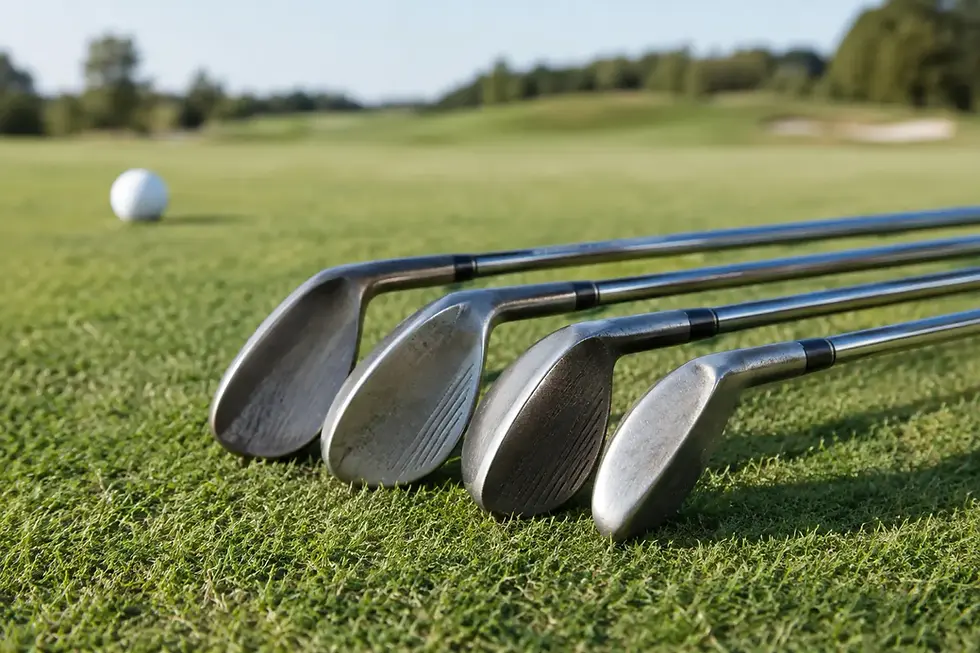
Look closely at the clubhead for cracks around the hosel, face, crown, or sole. On drivers and fairway woods, rattling inside the head, a dented face, or a split where the shaft enters the head should be taken seriously. With irons, check for excessive browning, pitting, and wear around the grooves. Rust on a carbon steel wedge may be normal, but deep corrosion can eventually weaken the metal.
Then inspect the shaft. Steel shafts can develop rust spots, especially near the grip or ferrule. Light surface rust may clean up well, while deep pitting can be a warning sign. Graphite shafts require extra care. Chips in the paint may only be cosmetic, but a crack, soft spot, splintering, or crushed area means the shaft should not be trusted.
Finally, check the grip. A hard, shiny, cracked, or slick grip does more than look worn. It can cause you to squeeze too tightly and lose control through impact. Regripping is one of the most affordable improvements a golfer can make, and it often gives an old set an immediate boost in confidence.
Refinishing Options That Usually Make Sense
For many players, the best refinishing work is simple, practical, and targeted. It respects the club's original design while cleaning up the parts that affect appearance and feel.
Cleaning, Polishing, and Rust Removal
A thorough cleaning can reveal that a club is in much better shape than it first appeared. Dirt and old residue can hide the finish, especially around grooves, badges, and ferrules. Gentle polishing can restore shine to stainless steel heads and metal shafts without removing meaningful material.
Rust removal depends on the club. A light patina on a raw wedge is often harmless and may even be preferred by golfers who like a softer, non-glare look. Deep rust, however, should be evaluated before it spreads. The key is to remove corrosion carefully, not to aggressively grind away metal until the head looks new.
Paint Fill and Cosmetic Touch-Ups
Fresh paint fill is one of the best ways to make old clubs look cared for again. Numbers, alignment marks, logos, and cavity details can be restored in a color that fits your style. It is a cosmetic improvement, but it can make a set feel personal instead of worn out.
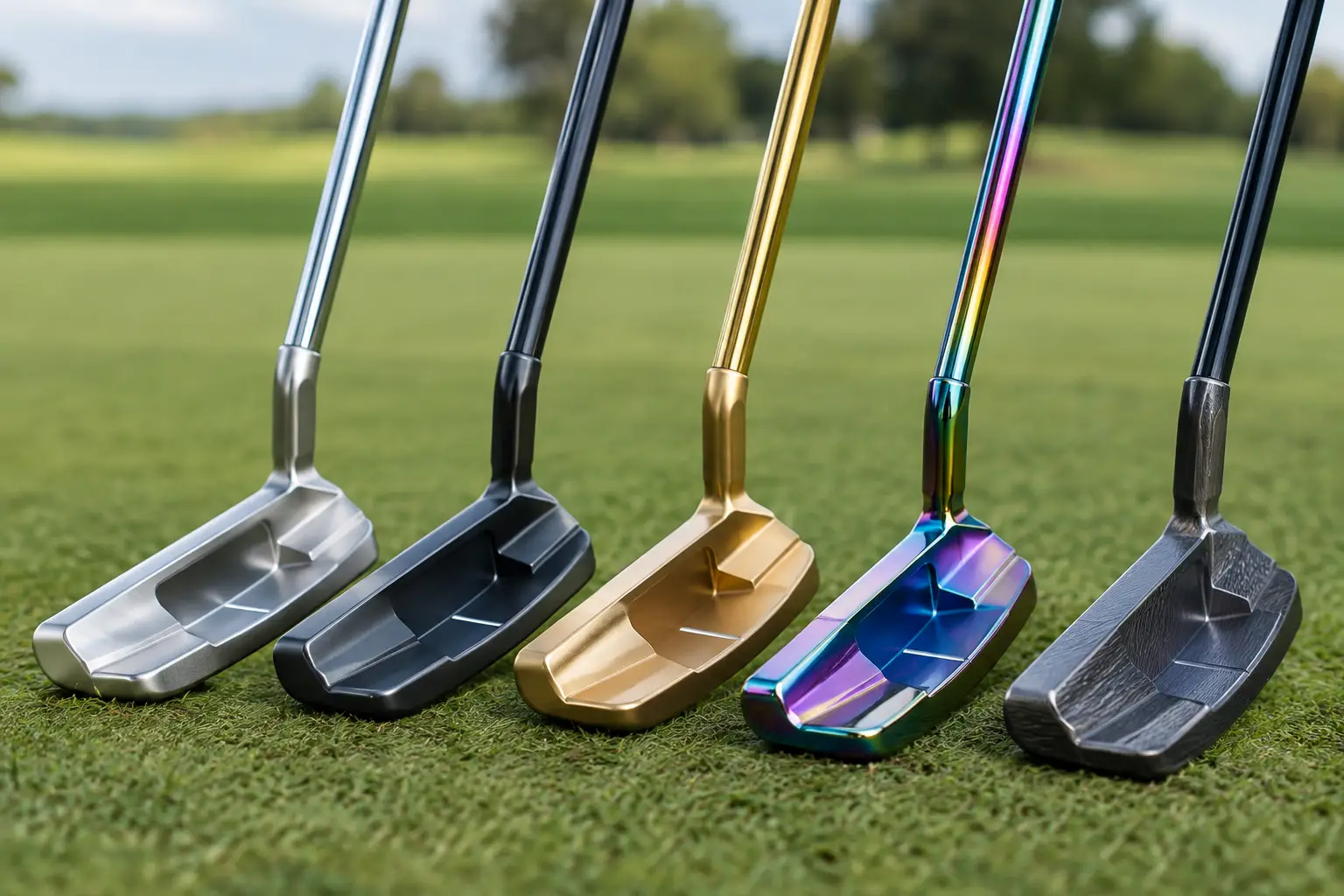
Paint fill also works well on putters, where a clean alignment line can be helpful at address. The job must be neat. Sloppy paint around grooves or alignment aids can be distracting, so attention to detail matters.
New Grips, Ferrules, and Shafts
These are not flashy repairs, but they can be the most worthwhile. New grips improve security and comfort. Fresh ferrules clean up the transition between shaft and head. A replacement shaft can correct a break, improve fit, or help preserve a favorite clubhead that still performs well.
Length adjustments can also help when a player has changed physically, adopted a different setup, or received clubs that were never the right fit. Shortening or extending a club may require swing weight adjustments, so it is better than simply cutting or adding length without checking the finished feel.
When a Full Refinish Is Not Worth It
There are times when putting money into an old club does not make good sense. A low-cost club with a cracked graphite shaft, badly damaged head, and worn-out grip may cost more to rebuild than a quality preowned replacement. That is not a failure. It is simply an opportunity to spend wisely.
Very old woods can be another special case. Vintage persimmon clubs and classic putters may have sentimental or collector value, but refinishing them too aggressively can lower that value. Preserve original details when possible. If the club belonged to a parent, grandparent, or playing partner, a careful restoration may be worth doing for the memories alone, even if it never returns to the course.
Golfers who play in tournaments should also be careful with groove work. Sharpening, re-cutting, or changing grooves can make a club nonconforming under the Rules of Golf. Cleaning grooves is normal maintenance. Altering their shape is a different matter. When competition is part of your plans, protect both your equipment and your eligibility.
A Smart Order for Renewing an Old Set
If you have a full set that needs attention, do not start by trying to make every head perfect. Begin with the repairs that affect safety and playability. Check shafts and heads for damage first. Replace worn grips next. Then address loose heads, damaged ferrules, incorrect length, or clubs that no longer feel right.
After that, decide how much cosmetic work is worthwhile. Maybe your irons only need a cleanup and paint fill. Maybe your favorite wedge needs rust treatment and a new grip. Maybe the whole set deserves polishing because it will become a reliable starter set for a son, daughter, friend, or new golfer.
This order keeps the budget where it belongs: on function first, appearance second. A beautiful club that feels wrong in your hands is still not helping your game.
Getting Straight Advice Before You Spend
A trustworthy repair shop should be willing to tell you when not to repair something. That kind of honesty is part of good service. Bring in the clubs you are considering, explain how you use them, and ask what work will provide a real benefit. A few well-chosen repairs can make a set feel refreshed without turning a budget-friendly project into an expensive rebuild.
At PaPa's Pro Shop, each customer is treated like family, which means looking at the whole picture: condition, fit, budget, and the golfer behind the clubs. Sometimes refinishing is the right answer. Sometimes a dependable reconditioned replacement is the better path.
Your old clubs do not have to look perfect to be worth keeping. If the head is sound, the shaft is safe, and the club still suits your swing, a thoughtful repair can put useful equipment back in play. Take care of what you have, make the improvements that truly matter, and let the next round decide the rest.

Comments